

What causes tubal factor infertility, how is it diagnosed, and when is in vitro fertilization needed? Ana Jibuti, a reproductive specialist at In Vitro Life, answers these questions.
Tubal factor infertility is a condition in which a woman cannot conceive naturally because her fallopian tubes are blocked, damaged, or affected by an anatomical abnormality. It is one of the most common causes of female infertility, accounting for approximately 30–40% of infertility cases.
Causes and Risk Factors
The main causes of fallopian tube damage or blockage include:
- Infections: Sexually transmitted infections, such as chlamydia and gonorrhea, can lead to pelvic inflammatory disease (PID).
- Endometriosis: A condition in which tissue similar to the lining of the uterus grows outside the uterus, including around the fallopian tubes, causing scarring and adhesions.
- Surgery: Adhesions may develop after abdominal or pelvic surgery, such as an appendectomy.
- Complications of an ectopic pregnancy or abortion: These may damage the fallopian tubes.
How Is It Diagnosed?
Doctors use the following methods to check whether the fallopian tubes are open:
- Hysterosalpingography (HSG): An X-ray examination in which a special contrast fluid is introduced into the uterus to assess the fallopian tubes.
- Ultrasound examination of tubal patency: An ultrasound method that uses fluid to check whether the fallopian tubes are open.
- Laparoscopy: A minor surgical procedure using an optical instrument called a laparoscope. It allows the doctor to examine the fallopian tubes directly and, in some cases, remove adhesions.
Treatment
Treatment options for tubal factor infertility include:
- Surgical treatment: Laparoscopic surgery to open the fallopian tubes and release adhesions if the damage is limited.
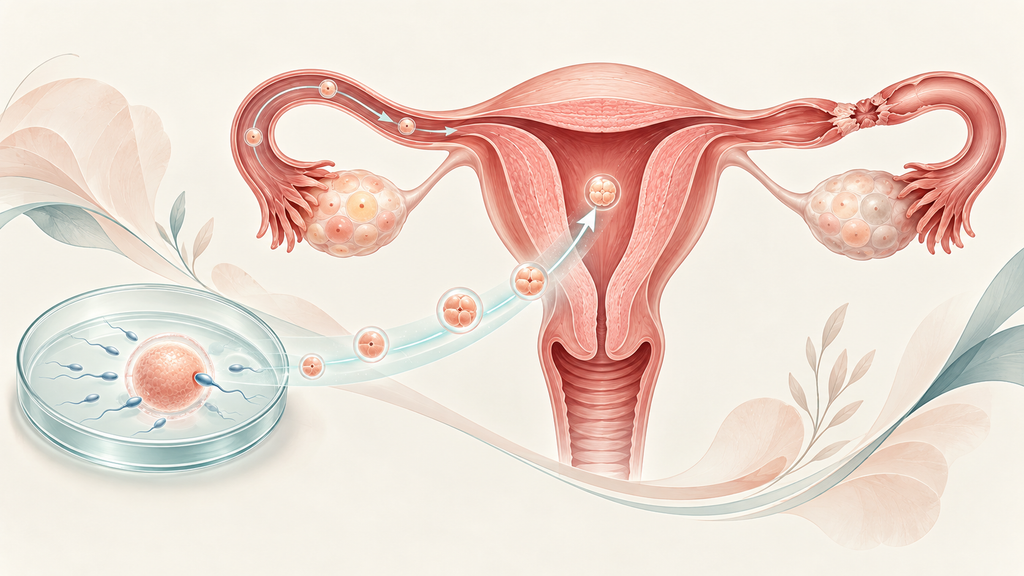
- In vitro fertilization (IVF): If the tubes are severely damaged or their function cannot be restored, IVF is the most effective option. The egg and sperm are brought together in a laboratory, and the resulting embryo is transferred directly into the uterus.
A diagnosis of tubal factor infertility does not automatically mean that every patient needs IVF. The right approach is determined after reviewing the test results and assessing the couple’s overall reproductive health.
For more information, contact us.